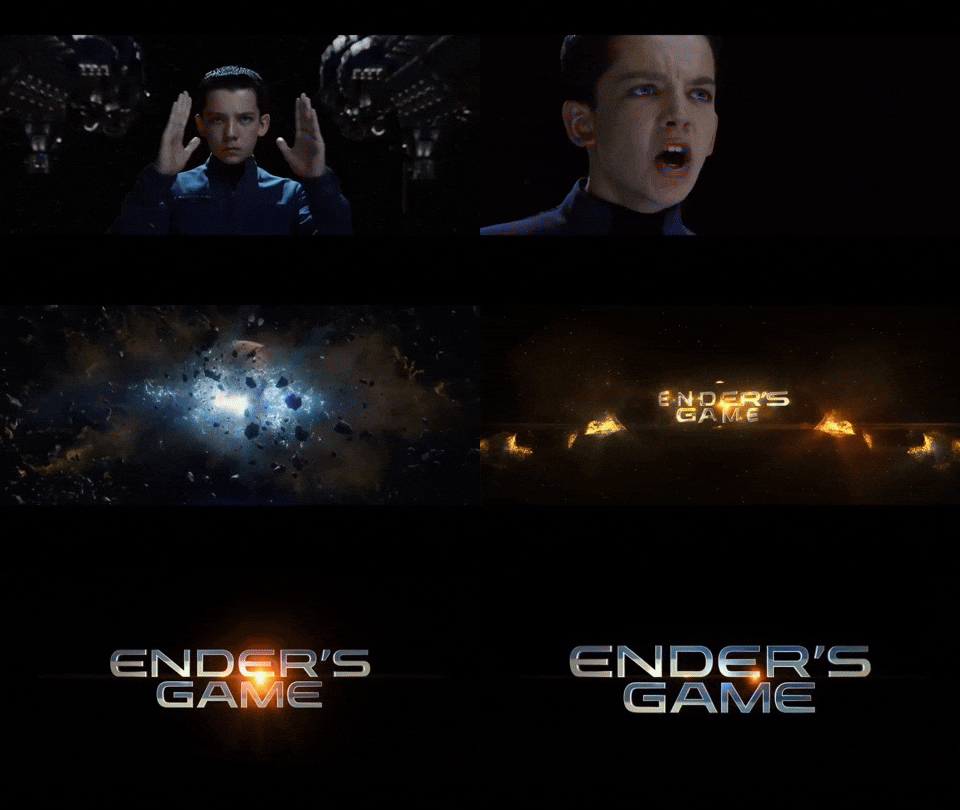
Ender’s Game, the classic science fiction novel by Orson Scott Card, is a thought-provoking exploration of warfare, leadership, and morality. The story revolves around young Andrew "Ender" Wiggin who is trained to become a military genius in order to save Earth from an alien race called Formics. As we follow Ender's journey through the Battle School, it raises several ethical questions that challenge our understanding of right and wrong.
One major ethical consideration presented by this novel is the use of children as soldiers. The story explores how society justifies using young minds for warfare due to their strategic advantages such as adaptability and lack of emotional baggage from past conflicts. This raises serious concerns about exploitation, manipulation, and the long-term effects on these child soldiers' mental health.
Another ethical dilemma presented in Ender’s Game is the concept of 'greater good'. Throughout the story, characters often justify their actions by claiming they are doing it for the greater benefit of humanity. While this may seem like a noble cause at first glance, it can lead to questionable decisions and moral compromises that undermine individual rights and freedoms.
In conclusion, Ender's Game serves as an excellent platform for discussing complex ethical issues related to warfare, leadership, and morality. It challenges readers to think critically about the choices they make in pursuit of a greater cause and encourages them to consider the potential consequences on both personal and societal levels.