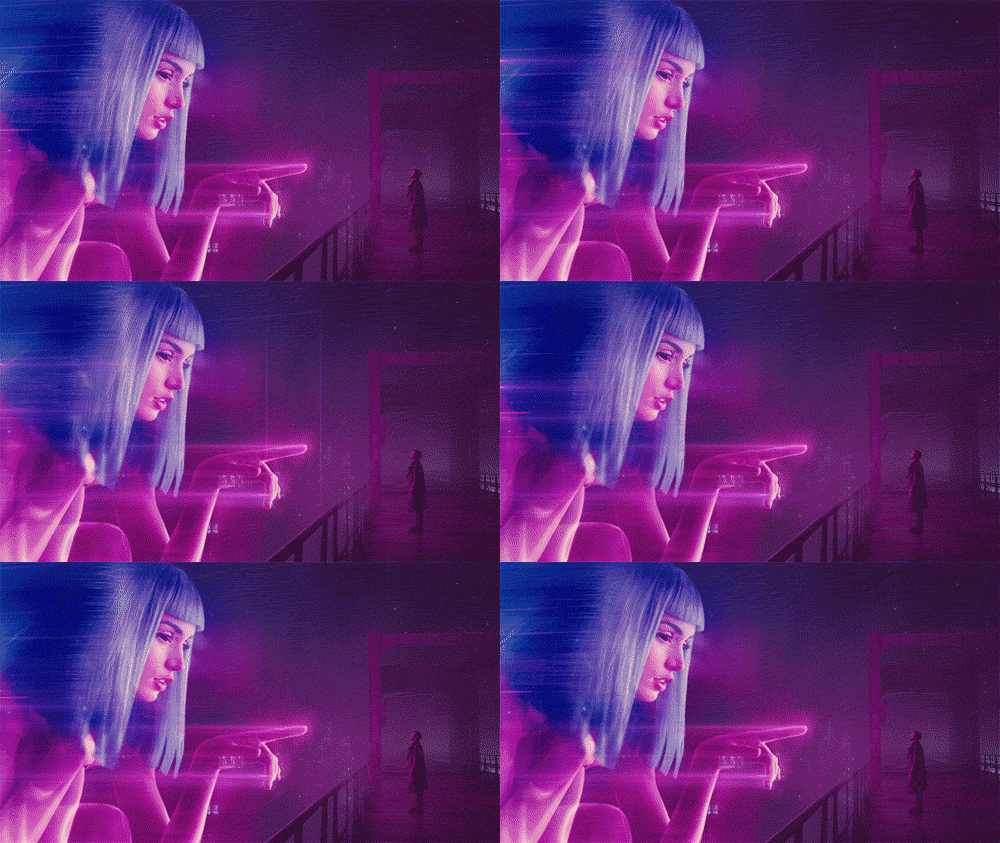
The iconic science fiction film, Blade Runner, released in 1982, has left an indelible mark on the world of technology. Directed by Ridley Scott and based on Philip K. Dick's novel "Do Androids Dream of Electric Sheep?", this movie not only captivated audiences with its gripping storyline but also provided a glimpse into what our future might look like in terms of technological advancements.
One significant aspect that Blade Runner brought to light is the concept of artificial intelligence (AI). The film showcases AI-driven androids, known as replicants, who are nearly indistinguishable from humans. This raises questions about identity, consciousness, and morality - issues that continue to be relevant in today's rapidly advancing tech landscape.
Another area where Blade Runner had a profound impact is urban design. The dystopian cityscape depicted in the movie has influenced many architectural designs since then. With towering skyscrapers, neon lights, and crowded streets, it painted a picture of what cities might look like if we continue down our current path of rapid development without considering sustainability or quality of life for residents.
In conclusion, Blade Runner serves as both a cautionary tale and an inspiration for future technological advancements. Its exploration of AI ethics, urban design challenges, and the potential consequences of unchecked progress should serve as reminders to us all when making decisions about our own use of technology today.