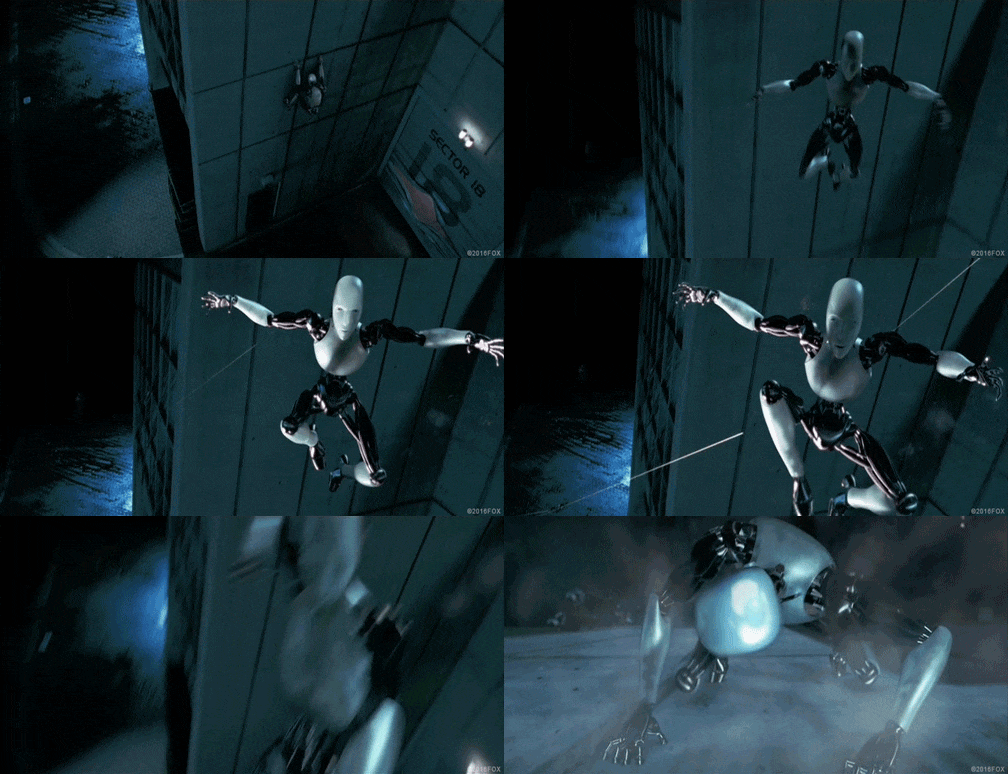
The release of the film "I, Robot" in 2004 brought about a new wave of interest in robotics and artificial intelligence. Directed by Alex Proyas and based on Isaac Asimov's short story collection of the same name, this science fiction thriller showcased advanced robots that were capable of making decisions independently. The film not only entertained audiences but also sparked conversations about the potential implications of such technology in our daily lives.
The movie introduced us to a world where robots are an integral part of society and have become indispensable for various tasks, from household chores to complex medical procedures. It made people think about how these machines could revolutionize industries like healthcare, manufacturing, transportation, and more. The film's portrayal of AI-powered robots has undoubtedly influenced the development of real-world technologies such as self-driving cars, smart homes, and even personal assistants like Siri or Alexa.
"I, Robot" also brought attention to some ethical concerns related to artificial intelligence and robotics. The film's plot revolves around a conflict between humans and robots, raising questions about trust, autonomy, and control over technology. These discussions have led researchers and policymakers worldwide to consider the need for regulations governing AI development and usage.
In conclusion, "I, Robot" has had a significant impact on our perception of technology and its potential applications in various fields. It serves as both an entertaining sci-fi thriller and a thought-provoking exploration of the ethical implications of advancing robotics and artificial intelligence technologies. As we continue to innovate and develop new AI systems, it is essential that we remain mindful of these concerns while striving for progress in this rapidly evolving field.