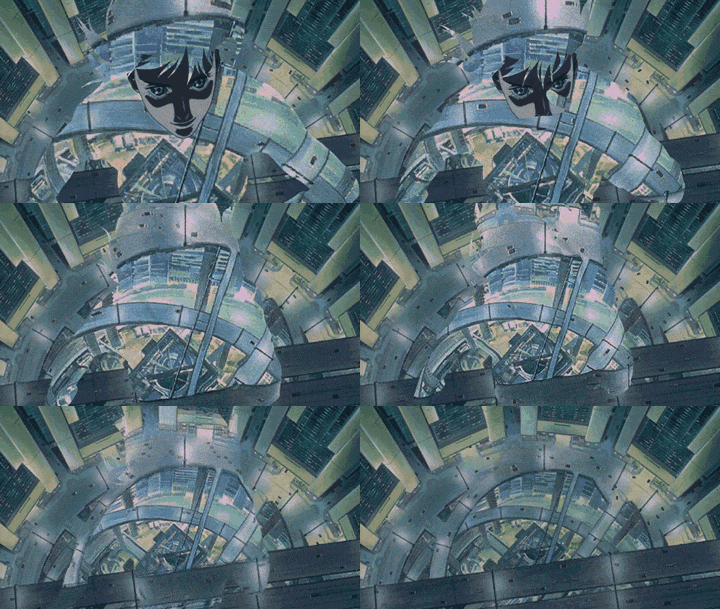
In the world of cyberpunk, technology has always been a central theme. One such example is the iconic anime series "Ghost in the Shell," which delves deep into the realm of advanced technological advancements and their implications on society. The show's creators have crafted an intricate universe where humans can upload their consciousness to the internet, merge with machines, and even hack each other's minds.
One of the most fascinating aspects of "Ghost in the Shell" is its exploration of cybernetic enhancements. Characters like Major Motoko Kusanagi have fully integrated cybernetic bodies that allow her to perform feats beyond human capabilities. This raises questions about what it means to be human and where the line between man and machine truly lies.
Another intriguing concept introduced by "Ghost in the Shell" is the idea of ghost hacking - a form of digital espionage used to invade another person's mind and steal their memories or even control them directly. This raises serious ethical concerns about privacy, consent, and personal autonomy in an age where our thoughts can be accessed remotely by anyone with sufficient skill.
Overall, "Ghost in the Shell" serves as a thought-provoking exploration of how far we might push technological advancements before they start pushing back against us. It challenges viewers to consider not only what these innovations could do for humanity but also what potential dangers lurk beneath their shiny surfaces.